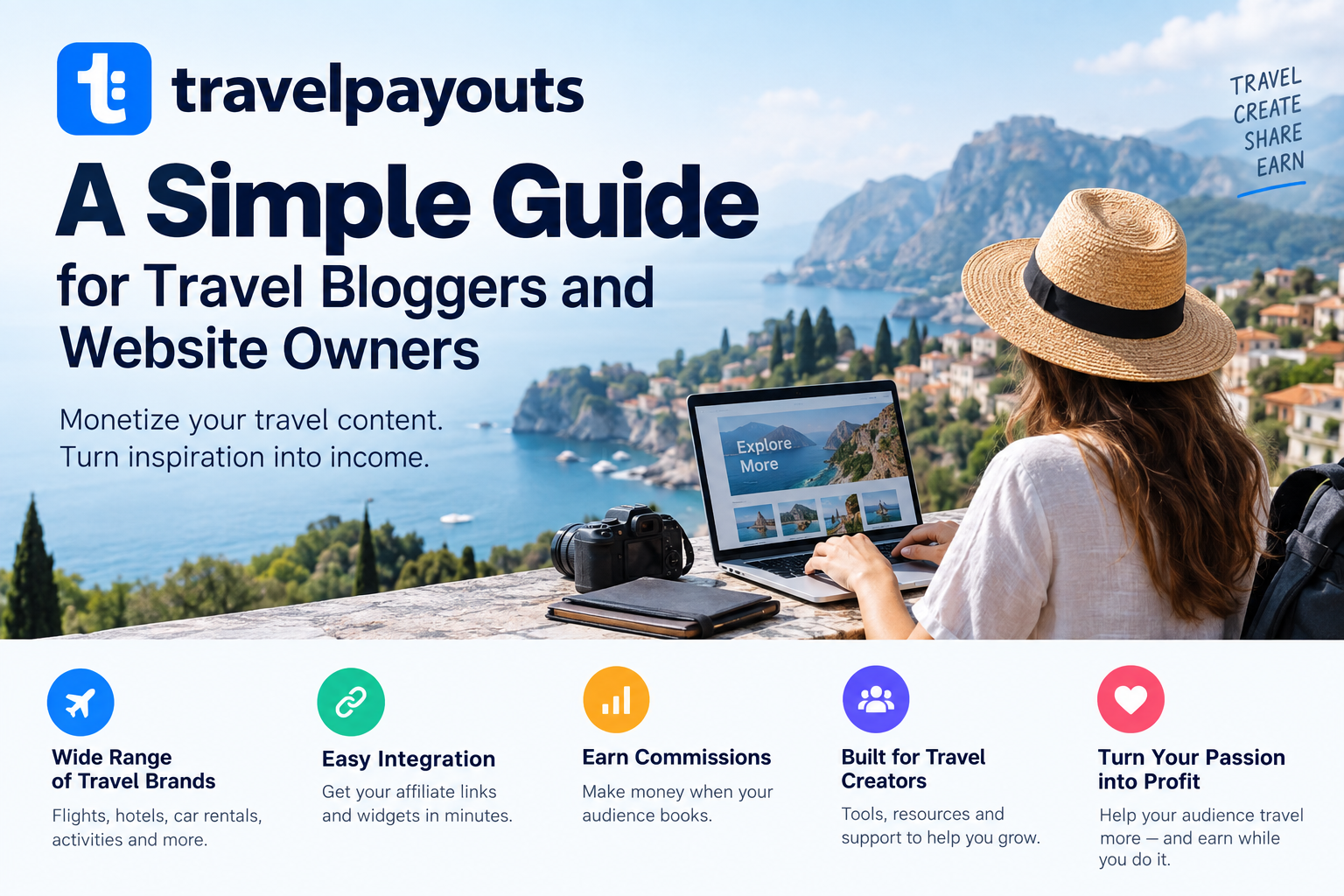
Travel websites can earn money in many ways. One common method is affiliate marketing. It allows website owners to recommend useful travel services and earn a commission when readers make eligible purchases.
Travelpayouts is a platform built around this idea. It connects travel content creators with travel brands. These creators can promote hotels, flights, tours, car rentals, and other travel services.
For beginners, affiliate marketing can feel confusing. There are many programs, links, dashboards, and rules. However, the basic idea is simple. You create helpful travel content and add relevant affiliate links.
When a reader clicks a link and completes an eligible action, the website owner may earn money. The exact amount depends on the program and the action completed.
This guide explains how travelpayouts works. It also covers its main features, benefits, content ideas, and tips for travel bloggers.
What Is Travelpayouts?
Travelpayouts is an affiliate marketing platform focused on the travel industry. It gives publishers access to travel affiliate programs through one platform.
The platform can help travel bloggers find programs that match their content. Instead of contacting every travel company separately, publishers can explore available options through the platform.
This can make affiliate marketing easier for new website owners. You can focus on creating useful content while using affiliate tools to recommend travel services.
The platform is mainly useful for publishers, bloggers, website owners, and content creators. Social media creators may also find travel affiliate opportunities that fit their audience.
How Does Travelpayouts Work?
The basic process is easy to understand. First, a publisher joins the platform and looks through available travel programs.
Next, the publisher chooses programs that fit the website. For example, a travel blog about hotels may look for hotel-related offers.
The publisher then creates content around useful travel topics. Affiliate links can be added where they make sense.
A reader may click one of these links. If the reader completes a qualifying action, the publisher can receive a commission according to that program’s terms.
Therefore, good content matters. Simply adding many links does not guarantee income.
Why Do Travel Bloggers Use Travelpayouts?
Travel bloggers often write about places, hotels, flights, activities, and travel planning. These topics naturally connect with travel services.
For example, imagine a blog post about visiting Dubai. The article may discuss hotels, airport transfers, tours, and activities.
Relevant affiliate links can help readers continue their planning. At the same time, the publisher may earn a commission when readers make qualifying purchases.
This creates a useful connection between content and monetization. The reader gets useful information, while the website owner gets an opportunity to earn.
Travelpayouts for Beginners
Beginners should start slowly. Affiliate marketing is not usually a quick-money system.
Your first goal should be building a useful website. Choose a clear travel topic and publish helpful articles regularly.
For example, you could focus on budget travel, family trips, airport guides, city guides, travel tips, or hotel information.
Once your website receives visitors, you can improve your affiliate strategy. Look at which pages attract readers and which topics receive clicks.
Then, update those pages with useful and relevant recommendations.
Choosing a Travel Niche
A travel website can cover many subjects. However, a focused niche can make content planning easier.
You could focus on budget travel. You could also focus on luxury hotels, family holidays, airport guides, road trips, or destination guides.
Another option is local travel. You might create content about specific cities, regions, or countries.
A focused niche can help you build topical authority over time. It can also make it easier to understand what your readers want.
Travelpayouts and Travel Content
Good travel content should solve a real problem. Readers often search because they need information before a trip.
They may want to know where to stay. They may need help finding flights. They may want to compare activities.
Your article should answer those questions clearly. Then, you can add relevant affiliate recommendations where they help.
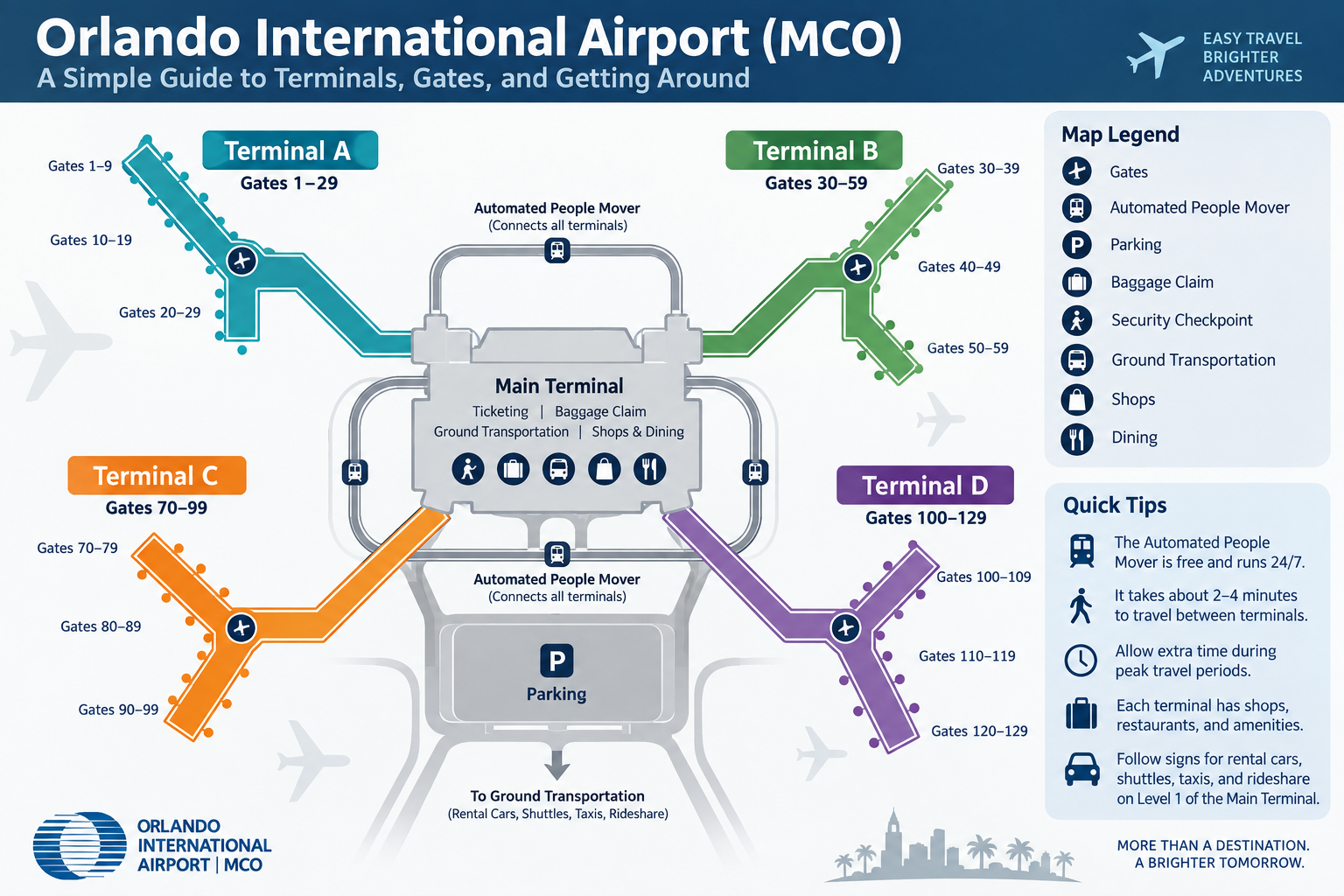
For example, an article about an airport can explain terminals, transportation, parking, nearby hotels, and useful travel tips.
The article can then connect readers with relevant travel services.
Creating Hotel Articles
Hotels are a natural topic for travel websites. People often search for hotels before booking a trip.
You can create city hotel guides. You can also write about hotels near airports, beaches, attractions, and business areas.
Try to make every article useful. Explain the location, nearby attractions, transport options, and important things travelers should know.
You can then add relevant affiliate links in appropriate sections.
Creating Flight Articles
Flight-related content can also attract travel searches. However, competition can be high for broad keywords.
Instead of targeting only terms like “cheap flights,” consider more specific topics.
For example, you could write about flights between two cities. You could also explain airport options, flight planning, baggage tips, and travel timing.
Long-tail topics may give smaller websites more realistic opportunities.
Creating Airport Guides
Airport guides can be excellent travel content. Travelers often search for airport information before departure.
You can explain terminals, maps, parking, transportation, lounges, restaurants, and nearby hotels.
You can also answer common questions. For example, readers may want to know how far the airport is from downtown.
These articles can attract people who are already planning a trip. That makes relevant travel recommendations more useful.
Travelpayouts and Long-Tail Keywords
Long-tail keywords contain more specific search phrases. They often have lower search volume than broad keywords.
However, they can show clear search intent. Someone searching for a specific hotel or airport may already know what they need.
This can make long-tail content valuable for smaller travel websites.
For example, instead of targeting “hotels,” you might target “best hotels near Orlando airport for families.”
The second phrase is more specific. It also gives you a clearer idea of what the reader wants.
How to Add Affiliate Links Naturally
Affiliate links should fit the article. Do not add them randomly.
Suppose your article discusses hotels in London. A relevant hotel link can appear near the section discussing where travelers can stay.
The link should help the reader take the next step.
Avoid filling every paragraph with links. Too many links can make an article difficult to read.
A clean structure usually works better.
Building Trust With Readers
Trust is very important in travel content. Readers want honest information.
Do not make unrealistic promises. Do not claim that every hotel or service is perfect.
Instead, explain the important details. Mention location, price considerations, facilities, transport, and possible limitations when appropriate.
Clear writing can make your website more useful.
Readers are more likely to return when they find accurate and helpful information.
Travelpayouts and SEO
SEO can help your travel website attract search traffic. However, affiliate links alone do not create rankings.
You need useful content, good website structure, relevant keywords, internal links, and a positive user experience.
Start with keyword research. Find topics that people actually search for.
Then create articles that answer those searches better than basic or thin pages.
Over time, your website can build more visibility.
Internal Linking for Travel Websites
Internal links connect pages on your own website. They help readers discover related content.
For example, an article about Orlando airport could link to another article about hotels near Orlando airport.
A destination guide could link to airport information, restaurant guides, hotel articles, and transportation pages.
This creates a connected website structure.
It can also help search engines understand the relationship between your pages.
Writing Useful Travel Guides
A good travel guide should be easy to scan. Use clear headings and short paragraphs.
Start with a simple introduction. Tell readers what they will learn.
Then organize the article into useful sections. Add practical information where possible.
You can also include FAQs near the end. This gives readers quick answers to common questions.
Adding Images to Travel Articles
Travel is a visual topic. Images can make articles more attractive.
Use relevant images that support the topic. For example, an airport article may benefit from airport maps or destination photos.
Make sure images do not slow down the website too much.
You should also use descriptive image file names and suitable alt text.
A fast website gives readers a better experience.
Travelpayouts and Mobile Visitors
Many travelers use smartphones while planning trips. Therefore, your website should work well on mobile devices.
Text should be easy to read. Buttons should be easy to tap.
Affiliate links should also work properly on mobile screens.
Before publishing an article, open it on your phone. Check the headings, images, menus, and links.
Small improvements can make the website easier to use.
Common Mistakes Beginners Make
Many beginners expect affiliate income immediately. That can lead to frustration.
Another mistake is publishing content without researching keywords. Good content still needs to reach the right audience.
Some websites also add too many affiliate links. This can make the page feel like an advertisement.
Another problem is writing very short articles that do not answer the reader’s question.
Focus on usefulness first. Monetization should support the content.
How to Improve Your Travel Website
Start by checking your existing articles. Find pages that receive impressions or clicks.
Then improve their titles, headings, introductions, and internal links.
You can also add useful information that readers may need.
For example, a destination article could include transportation, hotel areas, local attractions, and planning tips.
Update old content when information changes. Travel information can become outdated quickly.
Travelpayouts and Content Planning
A content calendar can help you publish consistently.
You might publish destination guides on some days. On other days, you could publish airport guides, hotel articles, or travel tips.
Create groups of related articles. This helps you build a stronger content structure.
For example, one main destination can support many related articles.
You could write about hotels, restaurants, airports, attractions, transportation, and travel costs.
Finding Topics With Search Intent
Search intent means understanding what someone wants when they search.
A person searching “best hotels in Paris” probably wants accommodation options.
Someone searching “Paris airport to city center” probably wants transportation information.
Someone searching “things to do in Paris” wants activity ideas.
When you understand intent, you can create a page that directly answers the search.
This approach is useful for SEO and affiliate marketing.
How Traffic Can Lead to Affiliate Income
Traffic is important, but traffic alone does not guarantee income.
You need visitors who are interested in the services you recommend.
For example, 1,000 visitors reading general travel news may behave differently from 1,000 visitors searching for hotels.
The second audience may have stronger booking intent.
Therefore, focus on relevant traffic instead of only chasing large numbers.
Travelpayouts and Website Growth
A travel affiliate website can grow slowly over time.
Start with a small group of useful articles. Then expand into related topics.
You can monitor which pages attract traffic.
If one topic performs well, create more useful content around that subject.
This creates a content system rather than relying on one article.
Building a Travel Content Funnel
A content funnel moves readers from general information toward useful travel decisions.
For example, a reader may first discover a destination guide.
Next, they may read a hotel guide.
After that, they may look at booking options.
This structure can create natural opportunities for relevant affiliate links.
However, every step should provide useful information.
Travelpayouts and Honest Recommendations
Affiliate marketing works best when recommendations are relevant.
Do not recommend a service simply because it has an affiliate program.
Think about the reader first.
Ask whether the recommendation makes sense for the topic.
If it does, place the link naturally.
This keeps the article useful and helps maintain reader trust.
Tracking Your Results
Tracking helps you understand what works.
Look at your website traffic. Check which pages receive visitors.
You can also review affiliate clicks and other available performance information.
A page with many visitors but few clicks may need better placement or stronger relevance.
A page with strong clicks can give you ideas for future content.
Use these observations to improve your strategy.
How to Make Travel Articles Better
Good travel articles answer questions clearly. They also avoid unnecessary filler.
Use short sentences. Use clear headings.
Add practical information that travelers can use.
You can also include tables when comparisons make sense.
For example, a hotel guide could compare location, nearby attractions, and useful features.
This makes information easier to understand.
Travelpayouts for a Travel Website
A travel website can use affiliate marketing as one part of its monetization strategy.
However, do not depend on one income source.
As the website grows, you may explore other methods. These could include display advertising, sponsored content, direct partnerships, digital products, or travel services.
The best approach depends on your audience and website.
Start with one system. Then expand carefully.
Tips for New Travel Bloggers
New bloggers should focus on consistency.
Publish useful articles regularly. Improve old content. Build internal links.
Also, study your audience.
Find out what readers search for. Then create content around those needs.
Do not copy competitors word for word. Instead, find ways to provide clearer and more useful information.
Over time, your website can become a stronger travel resource.
5 Small FAQs About Travelpayouts
1. What is Travelpayouts?
Travelpayouts is a travel affiliate platform. It connects publishers with travel-related affiliate programs and tools.
2. Can beginners use Travelpayouts?
Yes. Beginners can explore travel affiliate opportunities, but they should first learn the basics of affiliate marketing and content creation.
3. Can Travelpayouts make money?
Affiliate marketing can generate commissions when visitors complete qualifying actions through affiliate links. Results vary by traffic, audience, program, and conversions.
4. Is Travelpayouts useful for travel blogs?
It can be useful for travel blogs because travel content often naturally connects with hotels, flights, activities, and other travel services.
5. How can I get more affiliate clicks?
Create useful content that matches search intent. Then place relevant affiliate links where they help readers make travel decisions.
Conclusion
Travel affiliate marketing can be a useful way to monetize a travel website. Travelpayouts gives publishers access to travel-related affiliate opportunities through one platform.
However, success depends on more than adding links. You need useful content, relevant keywords, good SEO, and a clear website structure.
Start with helpful travel articles. Focus on real questions from travelers. Build internal links between related pages.
Then, add relevant affiliate recommendations naturally.
With time, you can study your traffic and improve your strategy. Some pages may perform better than others. Use that information to guide your future content.
Most importantly, keep helping your readers. A travel website should make trip planning easier.
When useful information and smart monetization work together, affiliate marketing can become one part of a broader travel website business.